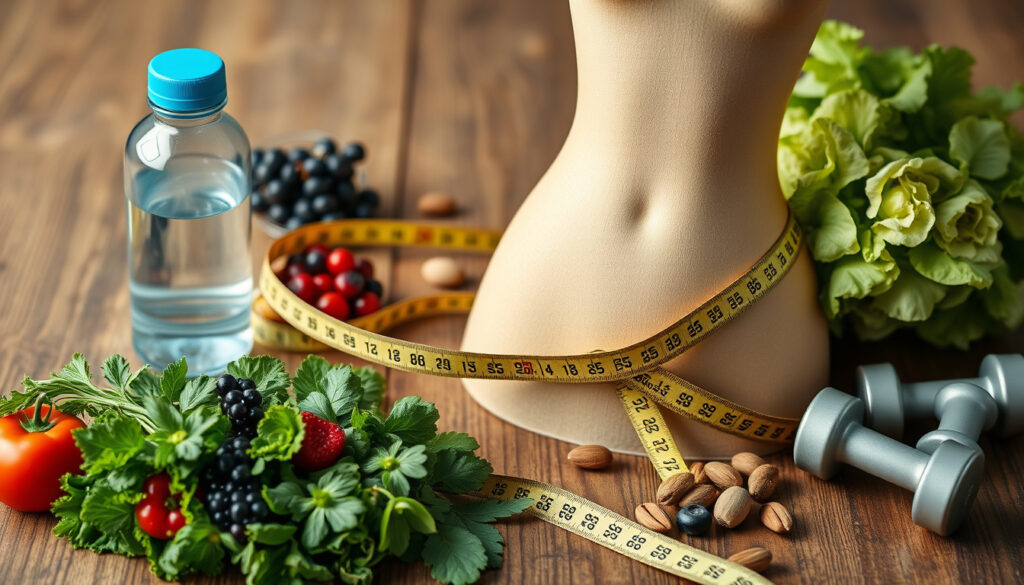
How to Get Rid of Belly Fat: Science-Backed Tips
Anyone who’s tried to flatten their midsection knows the frustration — countless crunches, skipped desserts, and still that stubborn pooch. The good news: science-backed strategies from institutions like Johns Hopkins and Harvard show real results when you tackle diet, exercise, and habits together, not piecemeal.
Proven Strategies: 8 from Johns Hopkins · Key Focus: Plant-based foods (Mayo Clinic) · Exercise Type: Aerobic for belly fat (BHF) · Fiber Tip: Soluble fiber plenty (Healthline) · Muscle Building: Lift weights (Harvard)
Quick snapshot
- Aerobic exercise reduces belly fat (WebMD)
- Restricting carbs helps reduce belly fat (MedicineNet)
- Plant-based diets are effective (Mayo Clinic)
- No evidence exists for spot-reduction exercises (Science Focus)
- Long-term sustainability of belly fat loss beyond 12 weeks remains uncertain (Science Focus)
- Optimal intermittent fasting protocols still need more research (Science Focus)
- 12 weeks of green tea catechins showed significant visceral fat reduction
- 48% visceral fat reduction after 2 months of cycling (45 min sessions twice weekly)
- 5 years of data shows consistent 3.7% belly fat loss per 10g soluble fiber daily
- Combine strength training with aerobic exercise for best results
- Focus on high-protein, low-glycemic eating patterns
- Build sustainable habits rather than short-term diets
The table below summarises key belly fat reduction data from medical sources.
| Label | Value |
|---|---|
| Top Ways Count | 8 (Johns Hopkins Medicine) |
| Best Exercise | Aerobic (British Heart Foundation) |
| Women Focus | Fruits, veggies, whole grains (Mayo Clinic) |
| Science Tip 1 | Soluble fiber (Healthline) |
| Muscle Key | Lift weights (Harvard Health) |
How to Lose Tummy Fat Quickly?
Losing belly fat isn’t about extreme dieting — it’s about sustainable changes that Johns Hopkins Medicine identifies as eight key strategies. The most effective approach combines dietary changes with consistent movement and strength training.
Diet changes
Restricting carbohydrates proves more effective than cutting fats when targeting belly fat. A meta-analysis of 117 studies shows diet has a larger effect on total body weight, while exercise shows superior effects on reducing visceral fat specifically. High-protein diets prevent weight gain and abdominal obesity, making lean meats, fish, and legumes your allies.
- Replace refined carbs with whole grains and vegetables
- Eat fish rich in omega-3s three times per week
- Prioritize soluble fiber — 10 grams daily can increase belly fat loss by 3.7% over five years
Exercise routines
At least 30 minutes of aerobic exercise daily burns visceral fat effectively. A study from GoodRx shows that moderate intensity exercise for 30 minutes a day, five days a week, combined with a well-balanced diet produces measurable results. Stationary cycling burns approximately 200–300 calories in 30 minutes depending on starting weight.
Lifestyle adjustments
Losing belly fat lowers risk of chronic health conditions including diabetes, heart disease, and some types of cancer. The key is consistency over perfection — small daily improvements compound into significant results over weeks and months.
Harvard Health experts explain that building muscle mass through resistance exercise triggers “browning” of white fat cells — converting them into metabolically active brown fat that produces energy as heat, causing visceral fat to shrink.
What Exercise Burns the Most Belly Fat?
No single exercise specifically targets belly fat — a fact confirmed by Science Focus. However, certain approaches produce superior overall fat loss, and combining methods yields the best results.
Aerobic exercises
WebMD reports that aerobic exercises help reduce both belly fat and liver fat. Two 45-minute cycling sessions per week at 75% of VO2 peak for two months reduced visceral fat by 48% in one study. At least 30 minutes of aerobic exercise daily is recommended for burning visceral fat effectively.
Strength training
According to Harvard Health, resistance exercise increases muscle mass through muscle hypertrophy — triggering microscopic damage to muscle fibers that initiates repair and growth. More muscle tissue can trigger transition of white fat cells into brown fat cells, which produce energy to create heat. The implication: strength training not only burns calories directly but converts fat-storing cells into fat-burning machines.
HIIT options
High-intensity interval training helps reduce fat deposits in both men and women, according to a 2018 meta-analysis by French scientists. Research from the National Institutes of Health confirms high-intensity exercise produces more prominent fat loss than low and moderate intensity exercise. The trade-off: HIIT demands more recovery time and isn’t suitable for everyone starting out.
Postmenopausal women lost significantly more fat from all areas with 300 minutes per week of aerobic exercise compared to 150 minutes — suggesting dosage matters as much as exercise type.
What Drink Burns the Most Belly Fat?
Certain beverages can support your belly fat loss goals, though they work best as part of a comprehensive approach rather than standalone solutions.
Morning drinks
Green tea containing epigallocatechin gallate (EGCG) appears to boost metabolism and help lose belly fat. Research shows 12 weeks of drinking catechin-enriched green tea at 600 mg of catechins per day resulted in significant reduction in visceral fat. Drinking green tea at doses less than 500 milligrams per day for 12 weeks could increase weight loss, though optimal results appear at higher doses.
Weight loss beverages
Fish rich in omega-3 fats such as salmon, tuna, mackerel, sardines, and anchovies may facilitate abdominal fat burning. MedicineNet recommends eating fish three times per week for belly fat reduction. Intermittent fasting combined with a high-protein diet was most effective at losing belly fat in studies reviewed by GoodRx.
Hydration tips
Proper hydration supports all metabolic processes, including fat burning. Soluble fiber intake of 10 grams increases belly fat loss by 3.7% over five years — and fiber absorbs water, making adequate fluid intake essential for its effectiveness.
For those seeking quick results, green tea catechins combined with intermittent fasting show the strongest evidence — but consistency over several weeks matters more than any single ingredient.
How to Lose Belly Fat Naturally?
Natural approaches to belly fat loss focus on dietary adjustments, daily habits, and sustainable lifestyle changes rather than extreme measures or supplements.
Natural remedies
Soluble fiber proves one of the most evidence-backed natural solutions. Healthline reports that every 10-gram increase in daily soluble fiber intake produces a 3.7% decrease in belly fat over five years. Good sources include oats, barley, nuts, seeds, beans, lentils, and fruits like apples and berries.
Diet tweaks
Restricting carbohydrates or consuming low glycemic index foods helps reduce belly fat. MedicineNet identifies high-protein diets as effective for preventing weight gain and abdominal obesity. Mayo Clinic recommends focusing on plant-based foods for women seeking to reduce belly fat — emphasizing fruits, vegetables, and whole grains.
- Avoid trans fats — linked to increased visceral fat accumulation
- Increase protein intake to 25–30% of daily calories
- Choose low glycemic index carbohydrates
Daily habits
According to Johns Hopkins Medicine, exercise reduces circulating levels of insulin and causes the liver to use up fatty acids, especially visceral fat deposits. Combine strength training with aerobic workouts for the greatest decrease in visceral fat — a combination that led to the greatest results in teenagers with overweight.
What Causes Belly Fat in Females?
Women face unique physiological factors that influence belly fat storage and distribution, making understanding these causes essential for targeted approaches.
Hormonal factors
Hormonal changes during menopause significantly affect where women store fat. Postmenopausal women lost more fat from all areas with 300 minutes per week of aerobic exercise compared to 150 minutes per week — indicating that women may need higher exercise volumes to achieve results comparable to younger women or men.
Lifestyle causes
Stress elevates cortisol, which specifically promotes visceral fat storage around the midsection. Poor sleep quality and insufficient duration similarly disrupt hormones regulating hunger and fat storage. Harvard Health explains that building more muscle mass helps counteract these tendencies by increasing metabolic rate and triggering beneficial fat cell transformation.
Age-related changes
As women age, muscle mass naturally declines — reducing resting metabolic rate and increasing fat storage propensity. The combination of strength training and adequate protein intake becomes increasingly important after age 30. Resistance exercise increases muscle mass through muscle hypertrophy, helping maintain metabolic function and reducing belly fat accumulation.
Spot reduction remains a myth — even high-intensity exercises cannot target belly fat specifically. Women should focus on overall body fat reduction through combined diet and exercise approaches rather than expecting localized results from ab exercises alone.
Step-by-Step Action Plan
Combining research from multiple institutions, here’s a practical weekly approach for reducing belly fat effectively:
- Audit your diet: Track current carbohydrate and protein intake. Aim to replace refined carbs with whole grains and increase protein to 25–30% of calories.
- Add soluble fiber: Include 10+ grams of soluble fiber daily through oats, beans, apples, and chia seeds. This single change can increase belly fat loss by 3.7% over five years.
- Schedule aerobic exercise: Plan five 30-minute moderate-intensity sessions weekly — cycling, brisk walking, swimming, or jogging.
- Include strength training: Perform resistance exercises 2–3 times weekly, targeting major muscle groups to build mass that converts white fat cells to brown.
- Add HIIT sessions: Replace one aerobic session with 20–25 minutes of high-intensity intervals for enhanced fat burning.
- Incorporate green tea: Drink 2–3 cups daily or supplement with 400–600 mg of catechins for metabolic boost.
- Eat omega-3 rich fish: Include salmon, tuna, mackerel, or sardines three times weekly.
- Manage stress and sleep: Prioritize 7–8 hours of quality sleep and stress-reduction practices to minimize cortisol-driven fat storage.
What works
- Aerobic exercise reduces visceral fat
- Soluble fiber decreases belly fat by 3.7% per 10g daily
- Strength training converts white fat to brown fat
- Green tea catechins boost metabolism
- High-protein diets prevent abdominal obesity
- 300 minutes weekly beats 150 for postmenopausal women
- Intermittent fasting combined with protein is most effective
What doesn’t work
- Spot reduction exercises — no evidence supports targeting belly fat specifically
- Extreme low-fat diets — carb restriction outperforms fat restriction
- Short-term quick fixes — sustainability matters more than rapid results
Expert Perspectives
To fuel belly fat burning, you need to build muscle mass, which means increasing resistance exercise.
— Dr. Apovian, Harvard Health
This ‘browning’ of white fat cells can turn on the fat-burning machine again and cause visceral fat to shrink and reduce belly fat.
— Dr. Apovian, Harvard Health
Exercise reduces circulating levels of insulin and causes the liver to use up fatty acids, especially visceral fat deposits.
Aerobic workouts paired with strength training are the most effective exercises for losing belly fat.
Related reading: pain under right rib cage · half marathon distance
youtube.com, puregym.com, health.clevelandclinic.org, tuasaude.com
Frequently asked questions
Is belly fat genetic?
Genetics influence fat distribution patterns, but lifestyle factors determine overall body composition. Even those predisposed to storing fat around the midsection can achieve significant reductions through consistent exercise and dietary changes.
How much exercise per week for belly fat loss?
At least 30 minutes of moderate intensity aerobic exercise daily, five days per week, combined with strength training 2–3 times weekly produces measurable results. Postmenopausal women may need 300 minutes weekly for optimal results.
Does stress cause belly fat?
Chronic stress elevates cortisol, which specifically promotes visceral fat storage around the midsection. Managing stress through sleep, relaxation techniques, and adequate recovery supports belly fat loss efforts.
Are there foods that prevent belly fat?
Soluble fiber (10 grams daily increases belly fat loss by 3.7% over five years), omega-3 rich fish (three times weekly), high-protein foods, and green tea catechins all show evidence for supporting belly fat reduction as part of a comprehensive approach.
How long to see belly fat results?
Visible changes typically appear within 4–8 weeks with consistent effort. Studies on green tea catechin supplementation show significant visceral fat reduction after 12 weeks. Long-term sustainability requires habit changes, not short-term diets.
Is intermittent fasting good for belly fat?
Intermittent fasting combined with a high-protein diet was most effective at losing belly fat in available research. However, the best protocol depends on individual adherence — the most sustainable approach that you’ll maintain beats the theoretically optimal method.
What causes belly fat accumulation in women specifically?
Hormonal changes during menopause, stress-related cortisol elevation, declining muscle mass with age, and poor sleep quality all contribute to increased belly fat storage in women. Postmenopausal women particularly benefit from higher exercise volumes (300+ minutes weekly) compared to standard recommendations.
More related posts
 Translate English to Urdu – Best Free Tools Guide
 Winter Fuel Payment Scotland – Eligibility, Amounts and Claims
 Pain Under Right Rib Cage – Causes, Symptoms and Red Flags
 Days of the Week: Names, Order, Origins & Kids Songs
 Fredrikstad vs Crystal Palace – Preview, Predictions, Lineups
 Kal Penn LGBTQ+: Sexuality, Partner, Career, and White House Role
 London Things to Do – Top Attractions Free Museums Itineraries
 Liam Payne Death: Cause, Investigation, and Aftermath