NASA Astronauts Stuck in Space – 286-Day Mission Timeline
Barry “Butch” Wilmore and Sunita “Suni” Williams launched aboard Boeing’s Starliner spacecraft on June 5, 2024, expecting an eight-day mission to the International Space Station. Instead, their stay extended to 286 days—nearly nine months—due to critical technical failures that grounded their return vehicle. The astronauts finally came home on March 18, 2025, aboard SpaceX’s Crew-10 Dragon spacecraft.
The mission, originally designed as a Crew Flight Test to certify Boeing’s Starliner for regular crew rotations, became the longest inaugural crewed flight in commercial crew history. What began as a verification mission transformed into an unexpected nine-month residence aboard the orbiting laboratory, drawing worldwide attention and raising questions about spacecraft reliability.
NASA officials repeatedly emphasized that the astronauts were never in immediate danger and were never officially classified as “stranded.” However, the extended duration and the unprecedented decision to send their spacecraft home without them drew sharp focus on the challenges facing Boeing’s commercial crew program.
Why were astronauts stuck in space for 9 months?
The extension from an eight-day mission to nearly nine months stemmed from multiple propulsion system failures aboard the Starliner capsule. Within hours of launch, mission controllers detected helium leaks and reaction control system thruster malfunctions that compromised the spacecraft’s ability to perform a safe reentry and landing.
Suni Williams (Pilot) and Butch Wilmore (Commander)
8-day Crew Flight Test to certify Starliner
286 days aboard the International Space Station
Boeing Starliner propulsion system failures
Key findings from the mission
- Five helium leaks were identified in the thruster manifolds during the mission
- Multiple reaction control system thrusters failed during the approach to the ISS
- Four of the failed thrusters were eventually restored before docking
- NASA deemed the spacecraft too risky for crewed return despite Boeing’s assertions
- No major injuries or radiation overexposure were reported for the crew
- The astronauts conducted numerous science experiments during their extended stay
| Fact | Details |
|---|---|
| Launch Date | June 5, 2024, 10:52 a.m. ET |
| Planned Return | June 14, 2024 (8-10 days) |
| Actual Return | March 18, 2025 |
| Mission Craft | Boeing Starliner Crew Flight Test |
| Return Craft | SpaceX Crew-10 Dragon |
| Total Duration | 286 days |
| Location | International Space Station |
| Primary Issue | Helium leaks and RCS thruster failures |
Are NASA astronauts still stuck in space today?
Wilmore and Williams returned to Earth on March 18, 2025, aboard SpaceX’s Crew-10 Dragon spacecraft. After approximately 17 hours of flight from undocking to landing, the astronauts touched down at a designated splashdown zone, completing their 286-day mission. The Crew-10 vehicle performed nominal departure burns and executed a trouble-free return, marking the successful conclusion of an extended chapter in spaceflight history.
The decision to switch spacecraft
NASA announced on August 24, 2024, that Wilmore and Williams would remain aboard the ISS and return on a SpaceX vehicle instead of their original Starliner. This decision came after months of propulsion testing and internal debate. Boeing maintained that the Starliner was safe for crewed return, but NASA administrators overruled this assessment, citing unresolved technical risks and mission timeline pressures.
The Crew-10 Dragon successfully docked with the ISS on March 16, 2025, allowing Wilmore, Williams, and other crew members to prepare for the coordinated return flight that brought them home two days later.
During the transition period, the astronauts continued their work aboard the orbiting laboratory, contributing to ongoing science experiments and station maintenance. Neither astronaut publicly expressed frustration at the extended duration, with both appearing composed and professional in interviews throughout their stay.
Who is Suni Williams and what is her role?
Sunita “Suni” Williams served as pilot of Boeing’s Starliner Crew Flight Test, marking her third spaceflight and second long-duration stay aboard the International Space Station. A retired United States Navy officer, Williams holds the records for total spacewalk time by a woman and most spacewalks completed by a female astronaut.
Barry “Butch” Wilmore, a former US Navy test pilot and veteran of two Space Shuttle missions, commanded the Starliner CFT mission. Both astronauts brought extensive flight experience to the test flight, which was designed to validate Starliner’s systems before the spacecraft could begin regular crew rotation missions for NASA.
Astronauts’ perspective on the extended mission
In interviews conducted during their stay, Wilmore and Williams downplayed concerns about their extended mission. During a July 10, 2024, interview, both astronauts expressed confidence in the Starliner spacecraft and their situation aboard the ISS. Williams noted that she had prepared for extended missions before and that the station provided ample work to maintain purpose and morale.
At a September 13, 2024, press conference, Wilmore addressed the growing public attention directly: “We weren’t let down… The timeline came to the point where we had to decide, is Starliner coming back with us or without us?” The astronauts emphasized their trust in NASA leadership and the transparency of the decision-making process.
Wilmore and Williams consistently maintained they were never “stranded” and that their extended stay was a professional adjustment rather than a crisis situation. Both astronauts praised the support they received from mission control and the ISS crew.
What media coverage exists of NASA astronauts stuck in space?
The extended mission attracted substantial media coverage across multiple outlets, ranging from technical analyses to personal interviews with the astronauts. Major news organizations including ABC News, Space.com, and Astronomy.com provided detailed timelines and technical breakdowns of the propulsion issues that led to the mission extension.
Coverage highlights by outlet
ABC News published a comprehensive timeline tracking every major development from the initial launch scrub through the final return, while Space.com focused on the technical details of the propulsion system failures and their implications for future missions. The Astronomy.com coverage emphasized the historical context of extended space missions and the broader implications for commercial crew programs.
International outlets including BBC provided coverage focused on the dramatic contrast between the planned 10-day mission and the actual nine-month duration. CBS News also tracked the mission developments, including the spacecraft switches and the astronauts’ ongoing work aboard the station.
While media headlines often used terms like “stranded” or “stuck,” NASA officials and the astronauts themselves consistently rejected this characterization, preferring terms like “extended mission” or “mission adjustment.”
A chronological overview of the Boeing Starliner mission
The following timeline captures the major events from pre-launch preparations through the successful return of the crew in March 2025:
- April 2, 2024: NASA announced May 6 as the no-earlier-than date for Starliner’s first crewed launch
- May 6, 2024: First launch attempt scrubbed due to an oxygen valve issue on the United Launch Alliance rocket
- June 5, 2024: Starliner launched successfully at 10:52 a.m. ET from Cape Canaveral Space Force Station
- June 6, 2024: Spacecraft docked at ISS despite helium leaks and thruster problems
- June 11–21, 2024: Multiple return date postponements due to ongoing propulsion concerns
- August 24, 2024: NASA confirmed astronauts would remain on ISS; Starliner would return uncrewed
- September 7, 2024: Starliner landed uncrewed at White Sands Space Harbor, New Mexico
- March 16, 2025: SpaceX Crew-10 Dragon docked at ISS with replacement crew
- March 18, 2025: Astronauts returned to Earth after 286 days in space
What facts are established versus what remains unclear
| Established information | Unresolved or unclear aspects |
|---|---|
| Five helium leaks identified during flight | Root cause of the initial helium leak development |
| RCS thruster failures occurred during approach | Full technical assessment of thruster degradation |
| NASA deemed Starliner too risky for crew return | Specific internal deliberations at NASA regarding risk thresholds |
| Astronauts returned safely via SpaceX | Timeline for Starliner recertification and next crewed flight |
| No major injuries reported | Long-term health monitoring results beyond initial reports |
| Starliner landed uncrewed successfully | Boeing’s future role in NASA’s commercial crew program |
The background and significance of the Boeing Starliner mission
The Starliner Crew Flight Test represented a critical milestone in NASA’s Commercial Crew Program, which aimed to develop independent American capabilities for transporting astronauts to the International Space Station. Following the Space Shuttle program’s retirement in 2011, NASA relied entirely on Russian Soyuz spacecraft for crew transportation—a dependency that the commercial crew initiative sought to end.
Boeing and SpaceX were both awarded contracts in 2014 to develop crew-capable spacecraft. SpaceX’s Crew Dragon completed its certification flights and began operational missions in 2020, while Boeing’s Starliner program encountered multiple delays and technical challenges. The CFT mission was intended to be Starliner’s final certification flight before entering regular service.
The extended mission highlighted both the challenges of developing new spacecraft systems and the robustness of the International Space Station as a research platform. Despite the propulsion failures, the astronauts maintained productive schedules, conducting scientific experiments and participating in station operations throughout their unexpected nine-month residency.
What the astronauts and officials said
“The timeline came to the point where we had to decide, is Starliner coming back with us or without us?”
— Barry “Butch” Wilmore, September 13, 2024 press conference
“We weren’t let down… The station has been great. We’ve been staying busy, and the support from everyone has been excellent.”
— Sunita Williams, September 13, 2024 interview
“The crew was never in danger, and the station remained fully operational throughout the extended mission.”
— NASA spokesperson, multiple public statements
The lasting impact of the extended ISS mission
The 286-day mission of Wilmore and Williams stands as the longest inaugural crewed flight for any spacecraft in history. While the outcome fell far short of the planned duration, the astronauts returned safely and the International Space Station continued its scientific mission without interruption. The experience demonstrated both the resilience of NASA’s operational protocols and the professionalism of the astronaut corps in adapting to unexpected circumstances.
For Boeing, the mission results represented a significant setback to the Starliner program, which had already experienced years of delays and a prior uncrewed test failure in 2019. The company faces continued scrutiny as it works to address the technical issues identified during the CFT mission and achieve certification for operational crew rotations. Meanwhile, SpaceX continues its role as NASA’s primary commercial crew provider, with the successful Crew-10 mission further cementing its position in the agency’s human spaceflight architecture.
For more context on how commercial space ventures have performed financially alongside these technical milestones, see the Virgin Galactic Share Price trends and the Rolls-Royce Share Price developments in the aerospace sector.
Frequently asked questions
How long were NASA astronauts supposed to be in space?
The original mission plan called for an 8-10 day stay aboard the International Space Station. The actual duration extended to 286 days due to Starliner propulsion system failures.
What happened to Boeing Starliner after the astronauts returned?
Starliner returned uncrewed on September 7, 2024, landing successfully at White Sands Space Harbor. The spacecraft is under review by Boeing and NASA teams before any recertification decisions.
Were the astronauts in danger during their extended stay?
NASA officials maintained that the astronauts were never in immediate danger. They remained safe aboard the ISS, which was fully operational throughout the extended mission.
What technical issues affected the Starliner spacecraft?
The spacecraft experienced five helium leaks in the thruster manifolds and multiple reaction control system thruster failures during its approach to the ISS.
How did the astronauts respond to their extended mission?
Wilmore and Williams consistently expressed positivity about their situation, emphasizing that they were not “stranded” and remained productive working aboard the station.
What was the SpaceX Crew-10 mission?
Crew-10 was the tenth operational crew rotation mission for SpaceX’s Dragon spacecraft, which delivered replacement crew to the ISS and returned Wilmore, Williams, and others to Earth.
How long did it take to return to Earth?
The return journey from undocking to splashdown took approximately 17 hours aboard the SpaceX Crew-10 Dragon spacecraft on March 18, 2025.
What happened during the first launch attempt?
The initial launch attempt on May 6, 2024, was scrubbed due to a faulty oxygen valve on the United Launch Alliance rocket powering the Starliner.
More related posts
 Frontier Developments Share Price: Is FDEV a Buy in 2025
 Charlotte Jordan’s Coronation Street Exit: What Happens Next
 Jannik Sinner Net Worth 2025: Forbes Estimate & Comparisons
 London Things to Do – Top Attractions Free Museums Itineraries
 1 Pound in Grams – Conversions for Cooking & Baking
 Laura Ashley: Brand History, Decline, and Current Status (2025)
 How Long Does Pasta Take to Cook? Exact Times by Shape
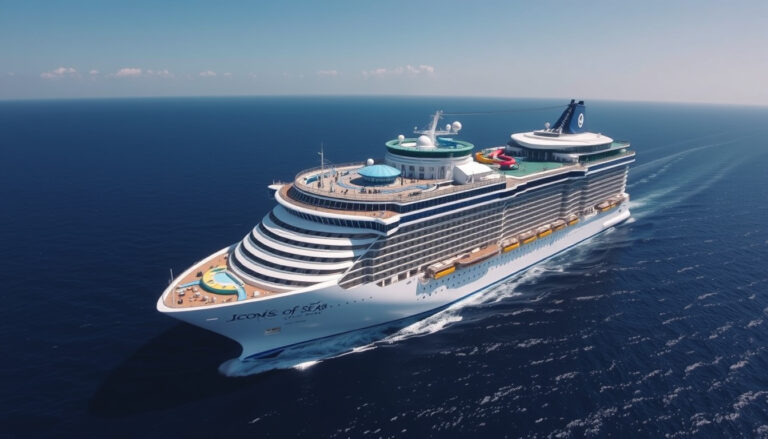 Icon of the Seas: Cost, Size, Capacity & Booking Guide