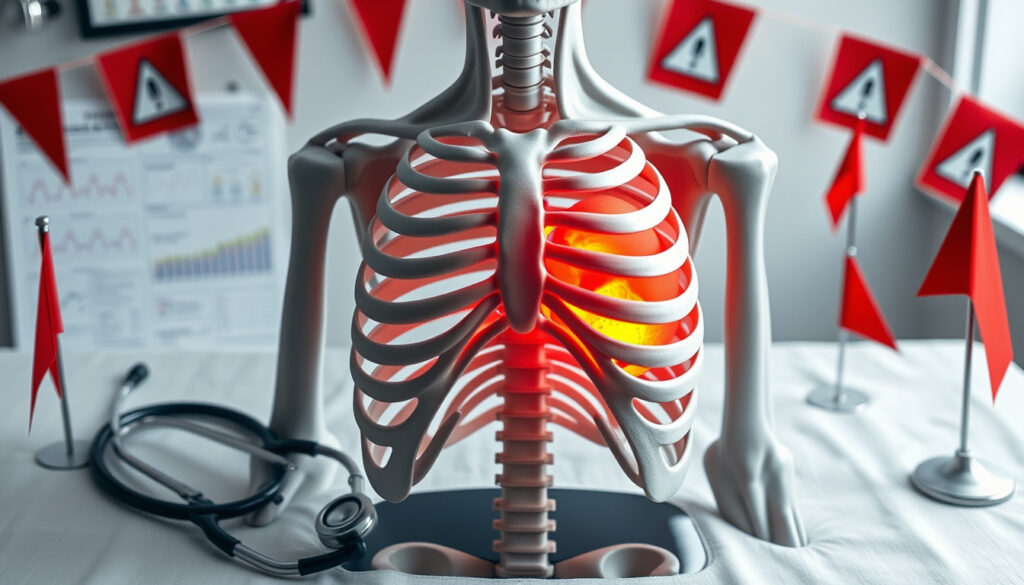
Pain Under Right Rib Cage – Causes, Symptoms and Red Flags
Pain under the right rib cage can range from a minor inconvenience to a warning sign of a serious medical condition. This area, known as the right upper quadrant, houses several vital organs including the liver, gallbladder, and portions of the pancreas and kidneys. Understanding the potential causes and recognizing when professional evaluation is necessary can make a critical difference in outcomes.
Discomfort in this region often develops after meals, during physical activity, or even at rest. The characteristics of the pain—its intensity, duration, and triggers—provide important clues about what might be happening beneath the surface. While some instances resolve on their own, others require prompt medical attention to prevent complications.
What Causes Pain Under the Right Rib Cage?
The right upper quadrant contains multiple organs and structures that can generate discomfort when affected. According to the Cleveland Clinic, this area houses the right lobe of the liver, gallbladder, upper duodenum, head of the pancreas, right kidney, and portions of the colon and lung base. Pain may originate directly from these structures or be referred from nearby areas such as the back or chest.
Overview of Common Causes
Gas buildup, muscle strain, indigestion
Gallstones, liver conditions, kidney stones
Fever, jaundice, persistent vomiting
Consult doctor if symptoms persist
Key Insights on Prevalence and Risk
- Gallbladder problems account for a significant portion of right upper quadrant complaints, particularly after fatty meals.
- Musculoskeletal causes are among the most common but often less concerning when isolated to movement-related discomfort.
- Kidney-related pain typically radiates from the flank toward the front of the abdomen.
- Post-meal symptoms frequently point toward gallbladder or gastrointestinal sources.
- Pain that worsens with breathing may indicate lung or pleural involvement.
- Constant, unrelenting pain suggests inflammatory or infectious processes requiring evaluation.
Medical literature indicates that approximately 80% of right upper quadrant pain cases stem from benign causes such as gas or muscle strain, while the remaining 20% involve organ-related conditions requiring medical intervention.
Pain Characteristics by Organ System
| Organ/Area | Typical Pain Type | Associated Symptoms | Urgency |
|---|---|---|---|
| Gallbladder | Sharp, cramp-like, post-meal | Nausea, vomiting, bloating | High |
| Liver | Dull ache, pressure | Jaundice, fatigue, dark urine | Moderate to High |
| Kidney | Sharp, radiating from flank | Painful urination, blood in urine | High |
| Pancreas | Burning, radiating to back | Nausea, vomiting, fever | High |
| Gastrointestinal | Burning, bloating | Acid reflux, burping, fullness | Low to Moderate |
| Musculoskeletal | Aching, movement-related | Tenderness on palpation | Low |
Pain Under Right Rib Cage After Eating: Common Triggers
Many individuals experience discomfort under the right rib cage following meals, and this pattern often provides valuable diagnostic information. According to WebMD, postprandial pain in this region frequently indicates gallbladder involvement, as the organ contracts to release bile after food intake.
Gallbladder-Related Post-Eating Pain
Gallstones represent one of the most common causes of pain that appears or intensifies after eating. When stones obstruct the bile ducts or when inflammation (cholecystitis) develops, the resulting pain may persist for several hours. Nausea and vomiting often accompany these episodes, particularly after meals rich in fats.
A case study published in PMC documented postprandial right upper quadrant pain that worsened progressively and was associated with fever, illustrating how eating-related symptoms can signal conditions requiring thorough medical evaluation.
Fatty, fried, and large meals commonly trigger gallbladder-related symptoms. Keeping a food diary can help identify specific triggers and provide useful information for healthcare providers.
Pancreatic Sources of Post-Meal Discomfort
The pancreas, located deep in the abdomen with its head situated near the right upper quadrant, can produce pain that worsens after eating. Acute pancreatitis typically presents with severe, constant pain that may radiate to the back, while chronic pancreatitis causes recurring episodes often linked to alcohol consumption or gallstones.
Distinguishing Gastrointestinal Causes
Gastrointestinal conditions including indigestion, GERD, and peptic ulcers can generate discomfort in this area following meals. These conditions typically produce burning sensations, bloating, and excessive burping. According to the NHS, stomach ache and digestive discomfort are among the most frequently experienced health complaints.
Pain Under Right Rib Cage When Breathing or Moving
Discomfort that intensifies with breathing or physical movement often points toward musculoskeletal or pulmonary origins rather than abdominal organ involvement. The Cleveland Clinic notes that distinguishing pain patterns based on movement and body position helps differentiate between various causes.
Musculoskeletal Causes
Muscle strains, rib injuries, and costochondritis (inflammation of the cartilage connecting ribs to the breastbone) commonly produce pain that worsens with movement, coughing, or deep breathing. Costochondritis may cause tenderness when the chest wall is pressed, and the discomfort may mimic cardiac pain despite originating from skeletal structures.
Shingles, caused by reactivation of the varicella-zoster virus, can produce sharp, burning pain along the distribution of a nerve, sometimes appearing under the ribs before the characteristic rash develops.
Pulmonary Considerations
Lung-related conditions including pneumonia and pleurisy can generate discomfort in the right upper quadrant area. Pleurisy causes sharp pain that typically worsens with breathing and may be accompanied by cough and fever. According to medical sources, the base of the right lung extends into this region, meaning respiratory infections can manifest as rib cage discomfort.
Pain that improves when leaning forward may suggest pancreatic involvement, while discomfort that worsens with leaning back could indicate pancreatic or retroperitoneal pathology.
When Is Pain Under Right Rib Cage Serious?
Understanding which symptoms warrant immediate medical attention can be lifesaving. According to Healthline, certain red flags should prompt urgent evaluation rather than waiting for symptoms to resolve on their own.
Emergency Warning Signs
- Sudden, severe pain lasting more than a few hours
- Fever and chills accompanying the discomfort
- Yellowing of the skin or eyes (jaundice)
- Persistent vomiting, especially with blood
- Blood in urine or stool
- Unexplained weight loss combined with chronic pain
- Difficulty breathing or shortness of breath
Conditions Requiring Prompt Treatment
According to Cancer Therapy Advisor, several conditions constitute medical emergencies when they cause right upper quadrant pain. Acute cholecystitis, cholangitis (infection of the bile duct), and pancreatitis can progress rapidly without treatment. Intestinal perforation and peritonitis also require immediate surgical evaluation.
If you experience sudden severe pain accompanied by fever, vomiting, or jaundice, seek emergency care immediately. These combinations may indicate serious conditions requiring urgent intervention.
When to Consult Your Doctor
Non-emergency situations still benefit from medical evaluation, particularly when symptoms persist. According to patient information resources, persistent discomfort lasting more than a few days, recurrent episodes, or progressive worsening all merit professional assessment. Your healthcare provider can determine whether imaging studies, blood tests, or other diagnostic procedures are needed.
How Pain Under the Right Rib Cage Progresses Over Time
The timeline of symptoms often provides critical clues about the underlying cause and urgency of intervention needed. Understanding typical progression patterns helps individuals make informed decisions about when to seek care.
Timeline of Symptom Development
- Onset (Acute): Sudden pain typically indicates obstruction, perforation, or acute inflammation such as cholecystitis or pancreatitis.
- Hours to Days: Persistent pain beyond 24-48 hours without improvement suggests ongoing pathology requiring evaluation.
- One to Two Weeks: Pain lasting beyond a week may indicate chronic conditions such as chronic pancreatitis, hepatitis, or recurring kidney stones.
- Progressive Worsening: Escalating symptoms with increasing intensity or spreading location require urgent assessment.
- Threshold for Action: Any combination of worsening pain with fever, vomiting, jaundice, or inability to keep food down warrants same-day medical evaluation.
What We Know and What Remains Uncertain
Medical understanding of right upper quadrant pain has advanced significantly, yet certain aspects remain challenging to predict or determine without direct examination and testing.
| Established Information | Information That Remains Unclear |
|---|---|
| Gallbladder and liver conditions commonly cause RUQ pain | Why some individuals develop symptoms from identical conditions while others remain asymptomatic |
| Movement-related pain typically suggests musculoskeletal causes | Precise thresholds for when benign pain warrants imaging or laboratory investigation |
| Post-eating symptoms frequently indicate biliary or GI involvement | Individual variation in pain perception and threshold complicates symptom interpretation |
| Certain red flags consistently indicate need for emergency evaluation | Long-term outcomes for various treatment approaches lack extensive comparative data |
Understanding the Anatomy: What’s Under Your Right Rib Cage
The right upper quadrant represents a anatomically complex region containing multiple organ systems in relatively close proximity. According to Medical News Today, this area houses structures from the digestive, urinary, respiratory, and musculoskeletal systems.
The liver occupies the largest portion of space in this region, sitting immediately beneath the diaphragm and protected by the lower right ribs. The gallbladder rests in a shallow depression on the liver’s undersurface, storing bile produced by the liver before its release into the small intestine. The right kidney, though technically retroperitoneal, sits behind other structures and can refer pain forward to this area.
Risk factors increase susceptibility to various conditions affecting this region. Age influences gallstone prevalence, which rises significantly after 40. Dietary patterns, particularly high-fat and low-fiber consumption, affect gallbladder health. Alcohol use impacts both liver and pancreatic function. Family history of gallbladder disease, kidney stones, or hepatitis increases individual risk.
What Experts Say About Right Upper Quadrant Pain
Clinical sources emphasize the importance of comprehensive evaluation when right upper quadrant pain occurs. A thorough history and physical examination remain fundamental to identifying likely causes before selecting appropriate diagnostic tests.
The location and character of right upper quadrant pain provide important diagnostic clues, but they cannot replace professional medical evaluation for accurate diagnosis and treatment planning.
Diagnostic approaches typically begin with non-invasive testing. According to the Mayo Clinic, ultrasound examination effectively evaluates gallbladder and liver structures, while blood tests assess liver enzymes, infection markers, and pancreatic function. CT imaging provides broader visualization when complex pathology is suspected.
Summary and Next Steps
Pain under the right rib cage stems from numerous potential causes ranging from benign muscle strain to serious organ conditions. The characteristics of discomfort—including timing, triggers, associated symptoms, and response to movement—help narrow potential diagnoses. While many cases resolve without intervention, certain presentations demand prompt medical attention.
For persistent or concerning symptoms, consulting with a healthcare provider allows for proper evaluation and appropriate testing. Understanding when to seek emergency care versus scheduling routine appointments ensures timely management while avoiding unnecessary anxiety for self-limiting conditions.
Frequently Asked Questions
What organ is on the right side under the rib cage?
The right upper quadrant contains the right lobe of the liver, gallbladder, head of the pancreas, right kidney, upper duodenum, and portions of the colon and right lung base.
What causes sharp pain under the right rib cage?
Sharp pain in this area commonly results from gallstones, kidney stones, or gallbladder inflammation. Musculoskeletal causes like rib injuries or costochondritis also produce sharp discomfort.
Is pain under the right rib cage serious?
It depends on accompanying symptoms. While gas and muscle strain cause benign discomfort, pain accompanied by fever, jaundice, vomiting, or persistent symptoms requires medical evaluation.
Why does pain under my right ribs occur after eating?
Post-eating pain frequently indicates gallbladder or gastrointestinal involvement, as these organs activate during digestion. Fatty meals particularly trigger gallbladder-related discomfort.
When should I see a doctor for right rib cage pain?
Seek medical attention if pain is severe and lasts more than a few hours, or if accompanied by fever, jaundice, persistent vomiting, blood in stool or urine, or unexplained weight loss.
Can anxiety cause pain under the right rib cage?
Anxiety and stress can exacerbate abdominal discomfort and may contribute to symptoms in some individuals, though other physical causes should be ruled out first.
What is the difference between gallbladder pain and liver pain?
Gallbladder pain is typically sharp, cramp-like, and occurs after eating. Liver pain is usually a dull ache or pressure sensation and may include jaundice, fatigue, or swelling.
More related posts
 Is My Car Tax Due – Check Status Quickly Via DVLA
 Tom Ford Oud Wood: Scent, Price, Gender, Celebrity Fans & More
 Ricky Martin: Biography, Net Worth, Wife, Kids, and Latest News
 Check Your One4all Gift Card Balance by Phone, App, SMS
 UK Weather Forecast: 37C Heatwave Maps, Dates & 1976 Tips
 Roy Wood: Biography, Net Worth, and the Jeff Lynne Feud
 What Is Dangerously Low Ferritin? Symptoms and Thresholds
 Korumar Ephesus Beach & Spa Resort – Family Reviews Ephesus Guide